Proof image
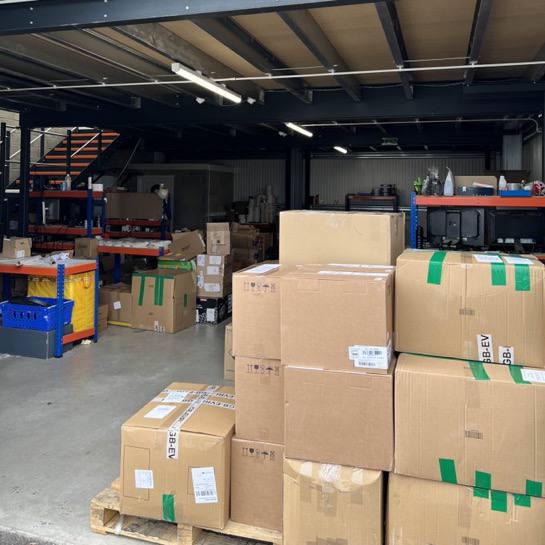
ATP helps sellers use storage as part of an active stock flow: receive, stage, hold briefly, prep and dispatch when the shipment or ecommerce route is ready.
This proof page is here to help sellers judge the operating route before sending live stock. Compare the challenge, ATP approach and outcome against your own inbound pattern, volume and current bottleneck.
Short-term staged storage
Stock separated by next move
Prep and dispatch tied together
Storage becomes expensive dead space when stock is held without a clear reason, shipment plan or dispatch decision.
ATP separates stock by route, keeps hold reasons visible and connects storage to prep, removals, forwarding or ecommerce dispatch decisions.
Sellers can stage stock without losing operational visibility, which is especially useful when inbound lands before a shipment is ready or ecommerce dispatch needs support.
Ask ATP about pricing, fit and the safest first batch before rerouting live inventory. The right answer depends on how your stock arrives, what has to be checked and where it needs to move next.